How to Design a Calmer Bedroom With Lighting, Sound, and Less Visible Tech
Use adjustable light, deliberate sound, fewer visible devices, and simple controls to make a bedroom feel calmer without turning comfort into a promise.



Practical guides to devices, software, digital organization, privacy, security, smart-home tools, and emerging technology.
Use adjustable light, deliberate sound, fewer visible devices, and simple controls to make a bedroom feel calmer without turning comfort into a promise.
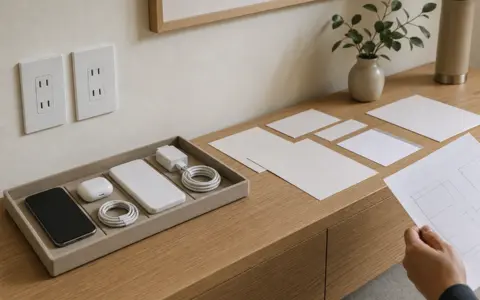
Map furniture, daily devices, occasional loads, and accessible charging points before choosing outlets or built-in USB ports for a modern room.
Integrate smart sensors into your decor while preserving useful placement, privacy boundaries, power access, alert testing, and manual checks.
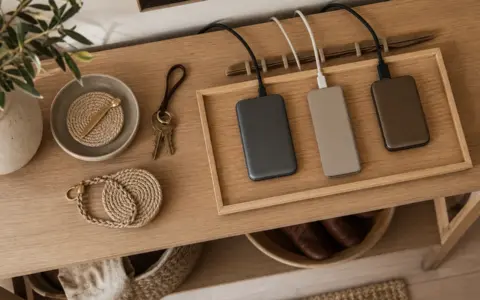
Build a calm, practical entryway charging station with assigned device spaces, compatible power, contained cables, and a simple reset routine.
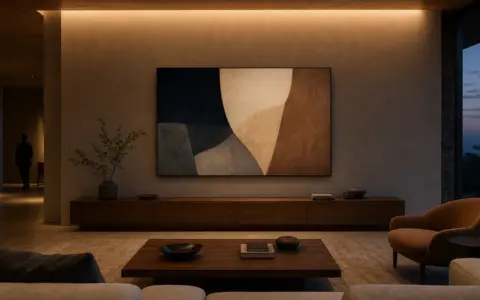
Make a digital-art display feel personal and calm through restrained curation, balanced brightness, thoughtful placement, and a clear off state.
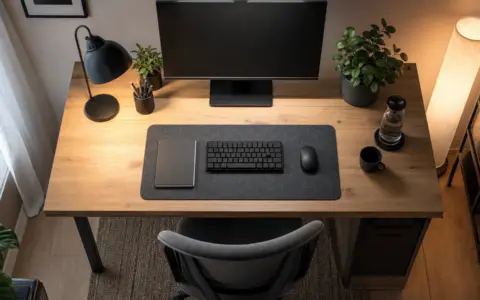
Build a flexible office lighting plan for screen work, paper tasks, focus, and clearer video calls without adding glare or visual clutter.
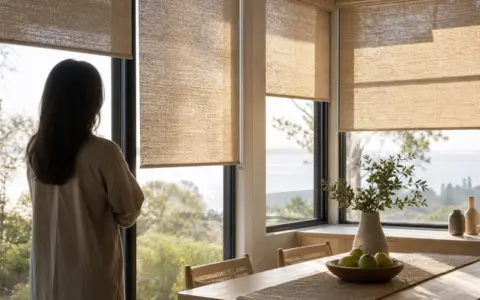
Map every window, purpose, power route, control method, safety need, and fallback before ordering motorized blinds or smart shades.
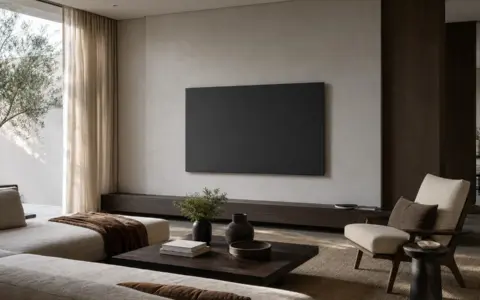
Choose a TV position by testing real seats, daylight, sound, traffic paths, power, and cable access before drilling or buying hardware.
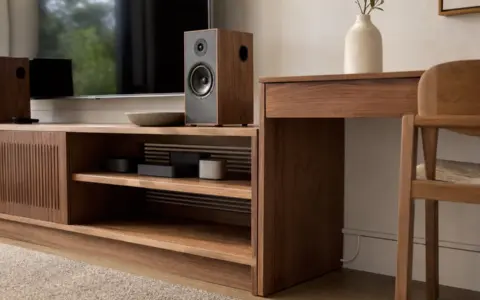
Create cleaner cable, charging, and speaker layouts while preserving ventilation, access, electrical safety, signal reliability, and sound quality.
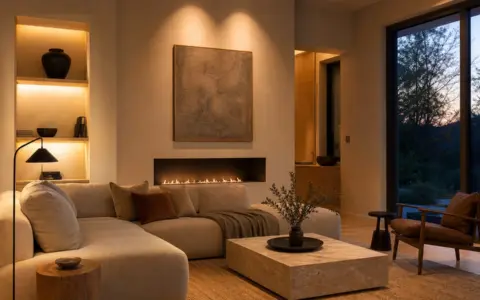
Use layered light, human-scale zones, restrained scenes, and reliable physical controls to make smart lighting improve the room instead of crowding it.